Water Heater Maintenance & Flush
Sediment drainage flushes, sacrificial magnesium anode rod replacement, thermal expansion testing, and multi-point safety inspections to maximize storage tank lifespan.
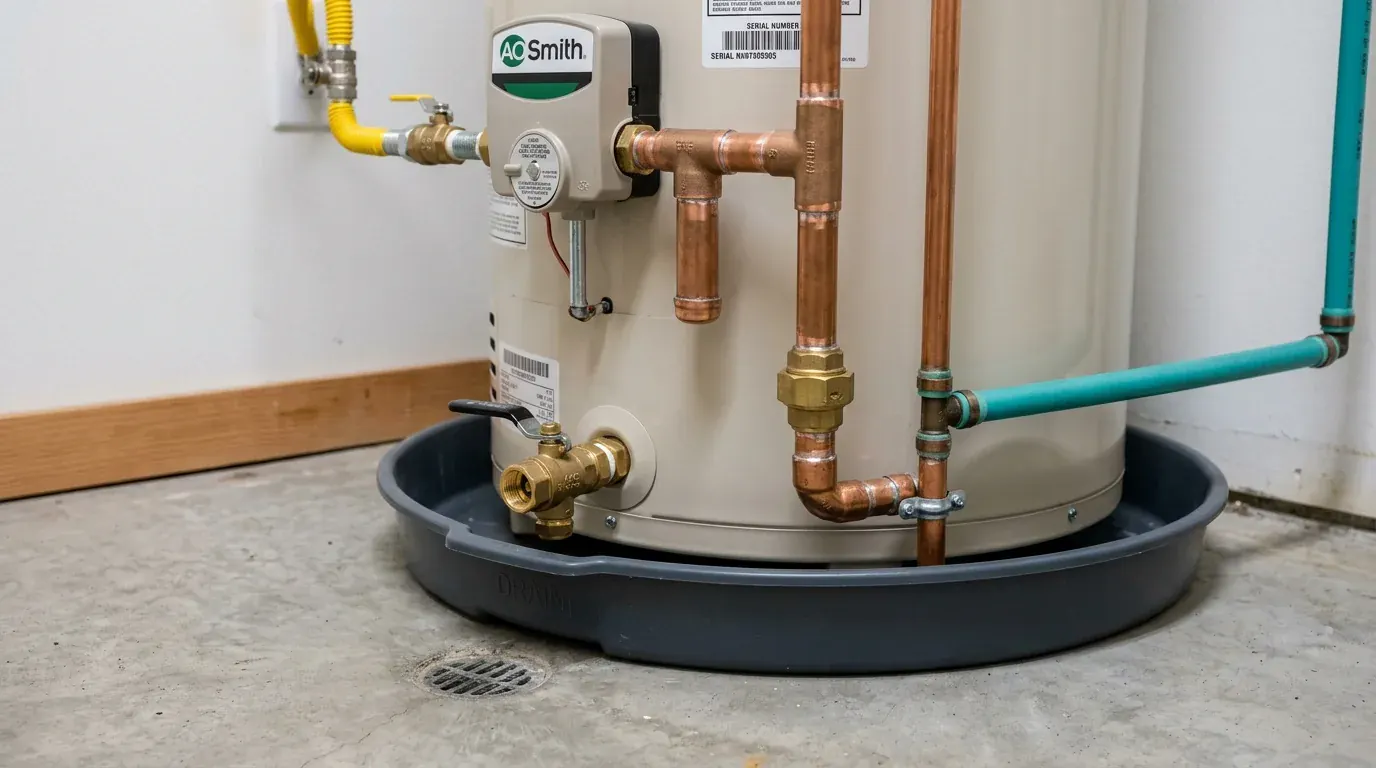
Detailed Service Overview
Routine preventative maintenance is the single most effective way to double the service life of your water heater while preventing midnight flooding catastrophes. Over months of steady heating, dissolved minerals settle out of tap water, forming a thick layer of calcified sediment that insulates the tank bottom, overheats the glass lining, and corrodes heating elements. Our comprehensive maintenance service includes power-flushing sediment dams, inspecting and replacing sacrificial magnesium or aluminum-zinc anode rods, testing temperature and pressure relief valves, and checking static household plumbing pressure. Regular servicing restores fast heating recovery, stops kettle-like popping noises, and protects your plumbing investment.
Common Water Heater Symptoms Requiring Attention
- Observed Issue: Water heater has not received professional servicing in over twelve months.
- Observed Issue: Rumbling, popping, or crackling sounds occur whenever heating starts.
- Observed Issue: Hot water recovery takes hours following normal morning showers.
- Observed Issue: Sacrificial anode rod has never been inspected or replaced since installation.
- Observed Issue: Drain valve drips slowly or is choked solid with hardened white scale.
Diagnostic Procedures & Technical Standards
- Technical Protocol: High-volume power-flushing to strip settled mineral sludge from the tank base.
- Technical Protocol: Removal, inspection, and replacement of sacrificial magnesium anode rods.
- Technical Protocol: Manual trip-testing and discharge inspection of the T&P safety relief valve.
- Technical Protocol: Measurement of static municipal water pressure and expansion tank charge.
- Technical Protocol: Thermostat calibration to 120 degrees Fahrenheit to prevent scalding hazards.
Need Immediate Troubleshooting For Water Heater Maintenance & Flush?
Plumbing dispatchers are available to review equipment symptoms, check service coverage in your zip code, and dispatch diagnostic assistance.
Call Dispatch: 877-512-2773Frequently Asked Questions: Water Heater Maintenance & Flush
Schedule Precision Water Heater Diagnostics Today
Do not let minor water heater leaks turn into ruined flooring or sudden cold showers. Speak with our dispatchers for clear pricing and prompt technical scheduling.